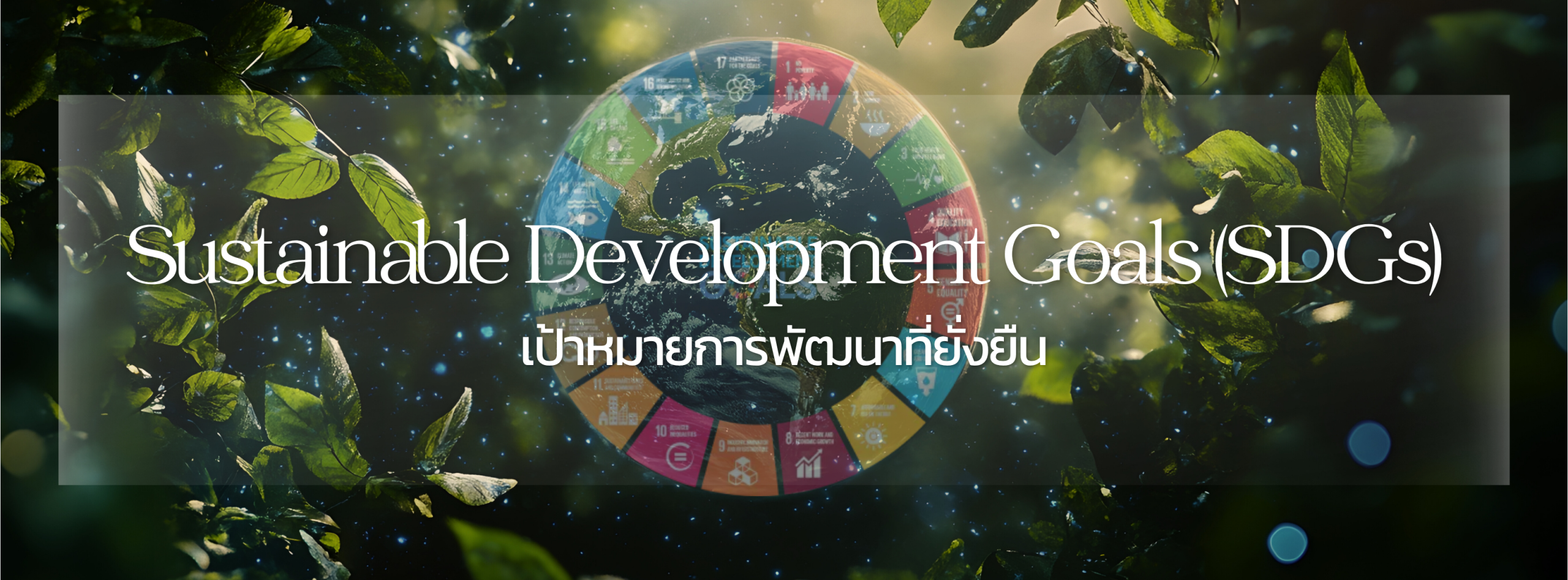
Sustainable Development Goals (SDGs)
General Education Administration Center, Bangkok University

เป้าหมายการพัฒนาที่ยั่งยืน (Sustainable Development Goals – SDGs) ของสหประชาชาติถือเป็นคำเรียกร้องสากลเพื่อบรรลุอนาคตที่ยั่งยืนและส่งเสริมความเท่าเทียม สิทธิมนุษยชน และความยุติธรรมสำหรับทุกคนภายในปี 2573 วาระการพัฒนาที่ยั่งยืน 2030 ซึ่งได้รับการรับรองโดยรัฐสมาชิกสหประชาชาติในปี 2558 ได้กำหนดกลยุทธ์ร่วมกันเพื่อสันติภาพและความเจริญรุ่งเรืองสำหรับทุกคนและโลกของเรา SDGs ประกอบด้วย 17 เป้าหมายที่เชื่อมโยงกัน ซึ่งออกแบบมาเพื่อเป็นแนวทางในการดำเนินการเกี่ยวกับความท้าทายและโอกาสที่เร่งด่วนที่สุดที่มนุษยชาติกำลังเผชิญอยู่
The United Nations’ Sustainable Development Goals (SDGs) represent a universal call to achieve a sustainable future and to promote equality, human rights, and justice for everyone by 2030. The 2030 Agenda, adopted by all UN member states in 2015, establishes a shared strategy for peace and prosperity for people and the planet. The SDGs consist of 17 interconnected goals, designed to guide action on the most urgent challenges facing humanity and the natural world.
สถาบันอุดมศึกษามีบทบาทสำคัญอย่างยิ่งในการขับเคลื่อนวาระการพัฒนาที่ยั่งยืน 2030 โดยเฉพาะในการบ่มเพาะความเข้าใจเบื้องต้นเกี่ยวกับ SDGs ให้แก่นักศึกษา ซึ่งเป็นรากฐานสำคัญของการเป็นพลเมืองโลกที่มีความรับผิดชอบ
Higher education institutions play a vital role in driving the 2030 Agenda — particularly in cultivating students’ foundational understanding of the SDGs, which is a cornerstone of responsible global citizenship and readiness to address future global challenges.
เป้าหมายการพัฒนาที่ยั่งยืน (SDGs) คือแผนการร่วมกันของโลกเพื่อแก้ไขปัญหาความท้าทายระดับโลกในมิติทางสังคม เศรษฐกิจ และสิ่งแวดล้อมภายในปี 2573 เป้าหมายเหล่านี้ได้รับการรับรองโดยทุกประเทศในปี 2558 และได้กลายเป็นพิมพ์เขียวสำหรับพลเมืองโลกในการทำงานร่วมกันเพื่อสร้างโลกที่ดีขึ้น
The Sustainable Development Goals (SDGs) are the world’s shared plan to address global challenges in social, economic, and environmental dimensions by 2030. Adopted by all nations in 2015, they emerged from the most inclusive negotiation process in UN history and have become the blueprint for global citizens working together toward a better world.
Addressing environmental, poverty, and inequality challenges worldwide.
Driving economic, social, and environmental development in parallel.
Committed to achieving all goals by the year 2030.
วาระการพัฒนาที่ยั่งยืน 2030 มีลักษณะสำคัญที่แตกต่างจากเป้าหมายการพัฒนาแห่งสหัสวรรษ (MDGs): เป็นเป้าหมายระดับโลกไม่จำกัดเฉพาะประเทศกำลังพัฒนา ยึดมั่นในค่านิยมความเท่าเทียมและสิทธิมนุษยชน อาศัยแนวทางที่ยั่งยืนเช่นการเงินที่ยั่งยืนและนวัตกรรม และกำหนดให้มีการทำงานข้ามภาคส่วนโดยผู้มีส่วนได้ส่วนเสียหลายฝ่าย
The 2030 Agenda differs from the MDGs: it presents universal goals not limited to “developing” countries; is grounded in equality and human rights values; relies on sustainable finance, scientific research, and monitoring; and requires cross-sectoral collaboration involving multiple stakeholders.
|
🌏 เป้าหมายทางสังคม / Social Goals
|
💰 เป้าหมายทางเศรษฐกิจและสิ่งแวดล้อม / Economic & Environmental Goals
|
SDGs ประกอบด้วย 17 เป้าหมายหลักที่เชื่อมโยงกันอย่างแยกไม่ออก แต่ละเป้าหมายมุ่งเน้นไปที่ความท้าทายเฉพาะด้านแต่มีความสัมพันธ์กันเพื่อสร้างอนาคตที่ยั่งยืนและครอบคลุมสำหรับทุกคน
The SDGs consist of 17 inextricably linked goals. Each goal focuses on a specific challenge, yet all are interrelated to build a sustainable and inclusive future for everyone.
1 ยุติความยากจน / No Povertyยุติความยากจนทุกรูปแบบในทุกที่ — End poverty in all its forms everywhere. 1.1 ขจัดความยากจนรุนแรงภายในปี 2573 ขจัดความยากจนรุนแรงทั้งหมด ซึ่งวัดจากคนที่มีค่าใช้จ่ายดำรงชีพรายวันต่ำกว่า $1.25 ต่อวัน By 2030, eradicate extreme poverty for all people everywhere, currently measured as people living on less than $1.25 a day. 1.2 ลดสัดส่วนผู้ยากจนในทุกมิติลดสัดส่วนชาย หญิง และเด็กในทุกช่วงวัยที่อยู่ภายใต้ความยากจนในทุกมิติให้ลดลงอย่างน้อยครึ่งหนึ่ง ภายในปี 2573 By 2030, reduce at least by half the proportion of men, women and children of all ages living in poverty in all its dimensions. 1.3 ระบบคุ้มครองทางสังคมดำเนินการให้เป็นผลตามระบบและมาตรการคุ้มครองทางสังคมที่เหมาะสม และให้ครอบคลุมถึงกลุ่มที่ยากจนและเปราะบาง ภายในปี 2573 Implement nationally appropriate social protection systems and measures for all, and by 2030 achieve substantial coverage of the poor and the vulnerable. 1.4 สิทธิทางเศรษฐกิจสำหรับทุกคนภายในปี 2573 สร้างหลักประกันว่าชายและหญิงทุกคน โดยเฉพาะคนยากจน มีสิทธิเท่าเทียมในการเข้าถึงทรัพยากรทางเศรษฐกิจ การบริการขั้นพื้นฐาน และการถือกรรมสิทธิ์เหนือที่ดินและทรัพย์สิน By 2030, ensure that all men and women, in particular the poor and the vulnerable, have equal rights to economic resources, access to basic services, ownership and control over land and other forms of property. 1.5 สร้างภูมิต้านทานต่อภัยพิบัติภายในปี 2573 สร้างภูมิต้านทานและลดความเปราะบางต่อเหตุรุนแรงที่เกี่ยวข้องกับภูมิอากาศและภัยพิบัติให้กับผู้ที่ยากจนและอยู่ในสภาวะเปราะบาง By 2030, build the resilience of the poor and those in vulnerable situations and reduce their exposure to climate-related extreme events and other economic, social and environmental shocks and disasters. 2 ยุติความหิวโหย / Zero Hungerยุติความหิวโหย บรรลุความมั่นคงทางอาหาร ยกระดับโภชนาการ และส่งเสริมเกษตรกรรมที่ยั่งยืน — End hunger, achieve food security, improve nutrition and promote sustainable agriculture. 2.1 การเข้าถึงอาหารที่ปลอดภัยตลอดทั้งปียุติความหิวโหยและสร้างหลักประกันให้ทุกคนได้เข้าถึงอาหารที่ปลอดภัย มีโภชนาการและเพียงพอตลอดทั้งปี ภายในปี 2573 By 2030, end hunger and ensure access by all people, in particular the poor and people in vulnerable situations, to safe, nutritious and sufficient food all year round. 2.2 ยุติภาวะทุพโภชนาการทุกรูปแบบยุติภาวะทุพโภชนาการทุกรูปแบบ และบรรลุเป้าหมายว่าด้วยภาวะแคระแกร็นและผอมแห้งในเด็กอายุต่ำกว่า 5 ปี ภายในปี 2568 By 2030, end all forms of malnutrition, including achieving by 2025 the internationally agreed targets on stunting and wasting in children under 5 years of age. 2.3 เพิ่มผลิตภาพและรายได้ผู้ผลิตอาหารรายเล็กเพิ่มผลิตภาพทางการเกษตรและรายได้ของผู้ผลิตอาหารรายเล็กให้เพิ่มขึ้นเป็น 2 เท่า ภายในปี 2573 By 2030, double the agricultural productivity and incomes of small-scale food producers, including women, indigenous peoples, family farmers, pastoralists and fishers. 2.4 ระบบการผลิตอาหารที่ยั่งยืนสร้างหลักประกันว่าจะมีระบบการผลิตอาหารที่ยั่งยืน ซึ่งช่วยรักษาระบบนิเวศและเสริมขีดความสามารถในการปรับตัวต่อการเปลี่ยนแปลงสภาพภูมิอากาศ ภายในปี 2573 By 2030, ensure sustainable food production systems and implement resilient agricultural practices that help maintain ecosystems and strengthen capacity for adaptation to climate change. 2.5 คงความหลากหลายทางพันธุกรรมคงความหลากหลายทางพันธุกรรมของเมล็ดพันธุ์ พืชที่ใช้เพาะปลูก และสัตว์เลี้ยง รวมถึงให้มีธนาคารเมล็ดพันธุ์ที่มีความหลากหลาย ภายในปี 2573 By 2030, maintain the genetic diversity of seeds, cultivated plants and farmed and domesticated animals and their related wild species, through soundly managed seed and plant banks. 3 สุขภาพและความเป็นอยู่ที่ดี / Good Health & Well-Beingสร้างหลักประกันการมีสุขภาวะที่ดี และส่งเสริมความเป็นอยู่ที่ดีสำหรับทุกคนในทุกช่วงวัย — Ensure healthy lives and promote well-being for all at all ages. 3.1 ลดอัตราการตายของมารดาลดอัตราการตายของมารดาทั่วโลกให้ต่ำกว่า 70 ต่อการเกิดมีชีพ 1 แสนคน ภายในปี 2573 By 2030, reduce the global maternal mortality ratio to less than 70 per 100,000 live births. 3.2 ยุติการตายที่ป้องกันได้ของทารกและเด็กยุติการตายที่ป้องกันได้ของทารกแรกเกิดและเด็กอายุต่ำกว่า 5 ปี โดยมุ่งลดอัตราการตายในทารกให้ต่ำถึง 12 คนต่อการเกิดมีชีพ 1,000 คน ภายในปี 2573 By 2030, end preventable deaths of newborns and children under 5, aiming to reduce neonatal mortality to at least 12 per 1,000 live births. 3.3 ยุติการแพร่กระจายของโรคติดต่อสำคัญยุติการแพร่กระจายของเอดส์ วัณโรค มาลาเรียและโรคเขตร้อนที่ถูกละเลย และต่อสู้กับโรคตับอักเสบ โรคติดต่อทางน้ำ และโรคติดต่ออื่นๆ ภายในปี 2573 By 2030, end the epidemics of AIDS, tuberculosis, malaria and neglected tropical diseases and combat hepatitis, water-borne diseases and other communicable diseases. 3.4 ลดการตายก่อนวัยอันควรจากโรคไม่ติดต่อลดการตายก่อนวัยอันควรจากโรคไม่ติดต่อให้ลดลงหนึ่งในสาม และสนับสนุนสุขภาพจิตและความเป็นอยู่ที่ดี ภายในปี 2573 By 2030, reduce by one third premature mortality from non-communicable diseases through prevention and treatment and promote mental health and well-being. 3.5 เสริมสร้างการป้องกันการใช้สารในทางที่ผิดเสริมสร้างการป้องกันและการรักษาการใช้สารในทางที่ผิด รวมถึงการใช้ยาเสพติดและการใช้แอลกอฮอล์ในทางอันตราย Strengthen the prevention and treatment of substance abuse, including narcotic drug abuse and harmful use of alcohol. 3.6 ลดการตายจากอุบัติเหตุทางถนนลดจำนวนการตายและบาดเจ็บจากอุบัติเหตุทางถนนทั่วโลกลงครึ่งหนึ่ง ภายในปี 2563 By 2020, halve the number of global deaths and injuries from road traffic accidents. 3.7 การเข้าถึงบริการอนามัยเจริญพันธุ์สร้างหลักประกันว่ามีการเข้าถึงบริการอนามัยเจริญพันธุ์โดยถ้วนหน้า รวมถึงการวางแผนครอบครัว ภายในปี 2573 By 2030, ensure universal access to sexual and reproductive health-care services, including for family planning, information and education. 3.8 หลักประกันสุขภาพถ้วนหน้าบรรลุการมีหลักประกันสุขภาพถ้วนหน้า รวมถึงการป้องกันความเสี่ยงทางการเงิน การเข้าถึงการบริการสาธารณสุขที่มีคุณภาพ และเข้าถึงยาและวัคซีนจำเป็นในราคาที่สามารถซื้อหาได้ Achieve universal health coverage, including financial risk protection, access to quality essential health-care services and access to safe, effective, quality and affordable essential medicines and vaccines for all. 3.9 ลดการตายจากมลพิษและสารเคมีอันตรายลดจำนวนการตายและการป่วยจากสารเคมีอันตรายและจากมลพิษทางอากาศ น้ำ และดิน ให้ลดลงอย่างมีนัยสำคัญ ภายในปี 2573 By 2030, substantially reduce the number of deaths and illnesses from hazardous chemicals and air, water and soil pollution and contamination. 4 การศึกษาที่มีคุณภาพ / Quality Educationสร้างหลักประกันว่าทุกคนมีการศึกษาที่มีคุณภาพอย่างครอบคลุมและเท่าเทียม — Ensure inclusive and equitable quality education and promote lifelong learning opportunities for all. 4.1 การศึกษาขั้นพื้นฐานฟรีและมีคุณภาพสร้างหลักประกันว่าเด็กทุกคนสำเร็จการศึกษาระดับประถมศึกษาและมัธยมศึกษาที่มีคุณภาพและไม่มีค่าใช้จ่าย ภายในปี 2573 By 2030, ensure that all girls and boys complete free, equitable and quality primary and secondary education leading to relevant and effective learning outcomes. 4.2 การพัฒนาปฐมวัยที่มีคุณภาพสร้างหลักประกันว่าเด็กทุกคนเข้าถึงการพัฒนา การดูแล และการศึกษาระดับก่อนประถมศึกษาที่มีคุณภาพ ภายในปี 2573 By 2030, ensure that all girls and boys have access to quality early childhood development, care and pre-primary education so that they are ready for primary education. 4.3 การเข้าถึงการศึกษาอาชีวศึกษาและอุดมศึกษาให้ชายและหญิงทุกคนเข้าถึงการศึกษาวิชาเทคนิค อาชีวศึกษา อุดมศึกษา รวมถึงมหาวิทยาลัยที่มีราคาที่สามารถจ่ายได้ ภายในปี 2573 By 2030, ensure equal access for all women and men to affordable and quality technical, vocational and tertiary education, including university. 4.4 ทักษะสำหรับการจ้างงานเพิ่มจำนวนเยาวชนและผู้ใหญ่ที่มีทักษะที่จำเป็น รวมถึงทักษะทางเทคนิคและอาชีพสำหรับการจ้างงาน ภายในปี 2573 By 2030, substantially increase the number of youth and adults who have relevant skills, including technical and vocational skills, for employment, decent jobs and entrepreneurship. 4.5 ขจัดความเหลื่อมล้ำทางการศึกษาขจัดความเหลื่อมล้ำทางเพศในการศึกษาและสร้างหลักประกันว่ากลุ่มที่เปราะบาง รวมถึงผู้พิการและชนพื้นเมือง เข้าถึงการศึกษาทุกระดับอย่างเท่าเทียม ภายในปี 2573 By 2030, eliminate gender disparities in education and ensure equal access to all levels of education and vocational training for the vulnerable, including persons with disabilities and indigenous peoples. 4.6 การรู้หนังสือและคำนวณสำหรับทุกคนสร้างหลักประกันว่าเยาวชนทุกคนและผู้ใหญ่ทั้งชายและหญิงสามารถอ่านออกเขียนได้และคำนวณได้ ภายในปี 2573 By 2030, ensure that all youth and a substantial proportion of adults, both men and women, achieve literacy and numeracy. 4.7 การศึกษาเพื่อการพัฒนาที่ยั่งยืนสร้างหลักประกันว่าผู้เรียนทุกคนได้รับความรู้และทักษะที่จำเป็นสำหรับส่งเสริมการพัฒนาอย่างยั่งยืน รวมถึงสิทธิมนุษยชน ความเสมอภาคระหว่างเพศ และการเป็นพลเมืองของโลก ภายในปี 2573 By 2030, ensure that all learners acquire the knowledge and skills needed to promote sustainable development, including education for sustainable development, human rights, gender equality, and global citizenship. 5 ความเสมอภาคทางเพศ / Gender Equalityบรรลุความเสมอภาคระหว่างเพศ และเพิ่มบทบาทของสตรีและเด็กหญิงทุกคน — Achieve gender equality and empower all women and girls. 5.1 ยุติการเลือกปฏิบัติต่อผู้หญิงและเด็กหญิงยุติการเลือกปฏิบัติทุกรูปแบบที่มีต่อผู้หญิงและเด็กหญิงในทุกที่ End all forms of discrimination against all women and girls everywhere. 5.2 ขจัดความรุนแรงและการค้ามนุษย์ขจัดความรุนแรงทุกรูปแบบที่มีต่อผู้หญิงและเด็กหญิงทั้งในที่สาธารณะและที่รโหฐาน รวมถึงการค้ามนุษย์และการแสวงประโยชน์ทางเพศ Eliminate all forms of violence against all women and girls in the public and private spheres, including trafficking and sexual and other types of exploitation. 5.3 ขจัดแนวปฏิบัติที่เป็นภัยขจัดแนวปฏิบัติที่เป็นภัยทุกรูปแบบ อาทิ การแต่งงานในเด็กก่อนวันอันควรโดยการบังคับและการทำลายอวัยวะเพศหญิง Eliminate all harmful practices, such as child, early and forced marriage and female genital mutilation. 5.4 ให้คุณค่าต่อการดูแลและงานบ้านยอมรับและให้คุณค่าต่อการดูแลและการทำงานบ้านแบบไม่ได้รับค่าจ้าง โดยจัดเตรียมบริการสาธารณะและนโยบายคุ้มครองทางสังคม Recognize and value unpaid care and domestic work through the provision of public services, infrastructure and social protection policies. 5.5 การมีส่วนร่วมของผู้หญิงในการตัดสินใจสร้างหลักประกันว่าผู้หญิงจะมีส่วนร่วมอย่างเต็มที่และมีโอกาสที่เท่าเทียมในการเป็นผู้นำในทุกระดับของการตัดสินใจทางการเมือง เศรษฐกิจ และภาคสาธารณะ Ensure women’s full and effective participation and equal opportunities for leadership at all levels of decision-making in political, economic and public life. 5.6 สุขภาพทางเพศและสิทธิการเจริญพันธุ์สร้างหลักประกันว่าจะมีการเข้าถึงสุขภาพทางเพศและอนามัยการเจริญพันธุ์และสิทธิการเจริญพันธุ์โดยถ้วนหน้า Ensure universal access to sexual and reproductive health and reproductive rights as agreed in accordance with the Programme of Action of the International Conference on Population and Development. 6 น้ำสะอาดและสุขาภิบาล / Clean Water & Sanitationสร้างหลักประกันเรื่องน้ำและการสุขาภิบาลให้มีการจัดการอย่างยั่งยืนสำหรับทุกคน — Ensure availability and sustainable management of water and sanitation for all. 6.1 การเข้าถึงน้ำดื่มที่ปลอดภัยบรรลุเป้าหมายการให้ทุกคนเข้าถึงน้ำดื่มที่ปลอดภัยและในราคาที่สามารถซื้อหาได้ ภายในปี 2573 By 2030, achieve universal and equitable access to safe and affordable drinking water for all. 6.2 สุขอนามัยและการยุติการขับถ่ายในที่โล่งบรรลุเป้าหมายการให้ทุกคนเข้าถึงสุขอนามัยที่พอเพียงและเป็นธรรม และยุติการขับถ่ายในที่โล่ง ภายในปี 2573 By 2030, achieve access to adequate and equitable sanitation and hygiene for all and end open defecation. 6.3 ยกระดับคุณภาพน้ำและลดมลพิษยกระดับคุณภาพน้ำโดยลดมลพิษ ขจัดการทิ้งขยะ และลดสัดส่วนน้ำเสียที่ไม่ผ่านกระบวนการลงครึ่งหนึ่ง ภายในปี 2573 By 2030, improve water quality by reducing pollution, eliminating dumping and minimizing release of hazardous chemicals, halving the proportion of untreated wastewater. 6.4 เพิ่มประสิทธิภาพการใช้น้ำเพิ่มประสิทธิภาพการใช้น้ำในทุกภาคส่วนและแก้ไขปัญหาการขาดแคลนน้ำ ภายในปี 2573 By 2030, substantially increase water-use efficiency across all sectors and ensure sustainable withdrawals to address water scarcity. 6.5 การบริหารจัดการน้ำแบบองค์รวมดำเนินการบริหารจัดการน้ำแบบองค์รวมในทุกระดับ ภายในปี 2573 By 2030, implement integrated water resources management at all levels, including through transboundary cooperation as appropriate. 6.6 ปกป้องและฟื้นฟูระบบนิเวศที่เกี่ยวข้องกับแหล่งน้ำปกป้องและฟื้นฟูระบบนิเวศที่เกี่ยวข้องกับแหล่งน้ำ รวมถึงภูเขา ป่าไม้ พื้นที่ชุ่มน้ำ แม่น้ำ และทะเลสาบ ภายในปี 2563 By 2020, protect and restore water-related ecosystems, including mountains, forests, wetlands, rivers, aquifers and lakes. 7 พลังงานสะอาดที่เข้าถึงได้ / Affordable & Clean Energyสร้างหลักประกันว่าทุกคนเข้าถึงพลังงานสมัยใหม่ที่เชื่อถือได้ ยั่งยืน และในราคาที่สามารถซื้อหาได้ — Ensure access to affordable, reliable, sustainable and modern energy for all. 7.1 การเข้าถึงบริการพลังงานสมัยใหม่สร้างหลักประกันว่ามีการเข้าถึงการบริการพลังงานสมัยใหม่ที่เชื่อถือได้และในราคาที่สามารถซื้อหาได้ ภายในปี 2573 By 2030, ensure universal access to affordable, reliable and modern energy services. 7.2 เพิ่มสัดส่วนพลังงานทดแทนเพิ่มสัดส่วนของพลังงานทดแทนในการผสมผสานการใช้พลังงานของโลก ภายในปี 2573 By 2030, increase substantially the share of renewable energy in the global energy mix. 7.3 เพิ่มอัตราการปรับปรุงประสิทธิภาพพลังงานเพิ่มอัตราการปรับปรุงประสิทธิภาพการใช้พลังงานของโลกให้เพิ่มขึ้น 2 เท่า ภายในปี 2573 By 2030, double the global rate of improvement in energy efficiency. 8 งานที่มีคุณค่าและเศรษฐกิจ / Decent Work & Economic Growthส่งเสริมการเจริญเติบโตทางเศรษฐกิจที่ต่อเนื่อง ครอบคลุม และยั่งยืน — Promote sustained, inclusive and sustainable economic growth, full and productive employment and decent work for all. 8.1 การเติบโตทางเศรษฐกิจต่อหัวประชากรที่ยั่งยืนทำให้การเติบโตทางเศรษฐกิจต่อหัวประชากรมีความยั่งยืน โดยเฉพาะให้ GDP ของประเทศพัฒนาน้อยที่สุดมีการขยายตัวอย่างน้อยร้อยละ 7 ต่อปี Sustain per capita economic growth in accordance with national circumstances and, in particular, at least 7% GDP growth per annum in the least developed countries. 8.2 ผลิตภาพทางเศรษฐกิจผ่านนวัตกรรมบรรลุการมีผลิตภาพทางเศรษฐกิจในระดับสูงขึ้นผ่านการทำให้หลากหลาย การยกระดับเทคโนโลยีและนวัตกรรม Achieve higher levels of economic productivity through diversification, technological upgrading and innovation, including a focus on high-value added and labour-intensive sectors. 8.3 ส่งเสริมนโยบายผู้ประกอบการและ SMEsส่งเสริมนโยบายที่สนับสนุนกิจกรรมที่มีผลิตภาพ ความเป็นผู้ประกอบการ และส่งเสริมการเติบโตของวิสาหกิจรายย่อย ขนาดเล็กและขนาดกลาง Promote development-oriented policies that support productive activities, decent job creation, entrepreneurship, creativity and innovation, and encourage the growth of micro-, small- and medium-sized enterprises. 8.4 ประสิทธิภาพการใช้ทรัพยากรโลกพัฒนาความมีประสิทธิภาพในการใช้ทรัพยากรโลกในการบริโภคและการผลิต และลดความเชื่อมโยงระหว่างการเติบโตทางเศรษฐกิจและการทำให้สิ่งแวดล้อมเสื่อมโทรม ภายในปี 2573 Improve progressively global resource efficiency in consumption and production and endeavour to decouple economic growth from environmental degradation by 2030. 8.5 การจ้างงานเต็มที่และค่าจ้างที่เท่าเทียมบรรลุการจ้างงานเต็มที่และมีผลิตภาพ และการมีงานที่สมควรสำหรับทุกคน รวมถึงเยาวชนและผู้มีภาวะทุพพลภาพ และให้มีการจ่ายที่เท่าเทียมสำหรับงานที่มีคุณค่าเท่าเทียมกัน By 2030, achieve full and productive employment and decent work for all women and men, including for young people and persons with disabilities, and equal pay for work of equal value. 8.6 ลดสัดส่วนเยาวชนที่ไม่มีงานทำลดสัดส่วนของเยาวชนที่ไม่มีงานทำ ที่ไม่มีการศึกษา และที่ไม่ได้รับการฝึกอบรม ภายในปี 2563 By 2020, substantially reduce the proportion of youth not in employment, education or training. 8.7 ขจัดแรงงานบังคับและแรงงานเด็กดำเนินมาตรการเพื่อขจัดแรงงานบังคับ ยุติความเป็นทาสสมัยใหม่และการค้ามนุษย์ และขจัดการใช้แรงงานเด็กในรูปแบบที่เลวร้ายที่สุด Take immediate and effective measures to eradicate forced labour, end modern slavery and human trafficking and eliminate the worst forms of child labour. 8.8 ปกป้องสิทธิแรงงานและสภาพแวดล้อมที่ปลอดภัยปกป้องสิทธิแรงงานและส่งเสริมสภาพแวดล้อมในการทำงานที่ปลอดภัยและมั่นคงสำหรับผู้ทำงานทุกคน รวมถึงผู้ทำงานต่างด้าว Protect labour rights and promote safe and secure working environments for all workers, including migrant workers, in particular women migrants, and those in precarious employment. 8.9 การท่องเที่ยวอย่างยั่งยืนภายในปี 2573 วางแผนและดำเนินนโยบายเพื่อส่งเสริมการท่องเที่ยวอย่างยั่งยืนที่สร้างงานและส่งเสริมวัฒนธรรมท้องถิ่นและผลิตภัณฑ์ By 2030, devise and implement policies to promote sustainable tourism that creates jobs and promotes local culture and products. 8.10 การเข้าถึงบริการทางการเงินเสริมความแข็งแกร่งของสถาบันทางการเงินภายในประเทศเพื่อขยายการเข้าถึงการธนาคาร การประกัน และบริการทางการเงินแก่ทุกคน Strengthen the capacity of domestic financial institutions to encourage and expand access to banking, insurance and financial services for all. |
9 อุตสาหกรรม นวัตกรรม โครงสร้างพื้นฐาน / Industry, Innovation & Infrastructureสร้างโครงสร้างพื้นฐานที่มีความยืดหยุ่น ส่งเสริมการพัฒนาอุตสาหกรรมที่ยั่งยืน และส่งเสริมนวัตกรรม — Build resilient infrastructure, promote inclusive and sustainable industrialization and foster innovation. 9.1 โครงสร้างพื้นฐานที่มีคุณภาพและยั่งยืนพัฒนาโครงสร้างพื้นฐานที่มีคุณภาพ เชื่อถือได้ ยั่งยืนและมีความทนทาน รวมถึงโครงสร้างพื้นฐานระดับภูมิภาค เพื่อสนับสนุนการพัฒนาทางเศรษฐกิจ Develop quality, reliable, sustainable and resilient infrastructure, including regional and transborder infrastructure, to support economic development and human well-being. 9.2 ส่งเสริมการพัฒนาอุตสาหกรรมที่ครอบคลุมส่งเสริมการพัฒนาอุตสาหกรรมที่ครอบคลุมและยั่งยืน และเพิ่มส่วนแบ่งของอุตสาหกรรมในการจ้างงานและ GDP ของประเทศ ภายในปี 2573 Promote inclusive and sustainable industrialization and, by 2030, significantly raise industry’s share of employment and gross domestic product. 9.3 การเข้าถึงสินเชื่อสำหรับ SMEsเพิ่มการเข้าถึงบริการทางการเงินรวมถึงเครดิตให้แก่อุตสาหกรรมขนาดเล็กในประเทศกำลังพัฒนา Increase the access of small-scale industrial and other enterprises, in particular in developing countries, to financial services, including affordable credit. 9.4 ยกระดับโครงสร้างพื้นฐานให้ยั่งยืนยกระดับโครงสร้างพื้นฐานและปรับปรุงอุตสาหกรรมให้ยั่งยืนโดยเพิ่มประสิทธิภาพการใช้ทรัพยากรและเทคโนโลยีที่สะอาด ภายในปี 2573 By 2030, upgrade infrastructure and retrofit industries to make them sustainable, with increased resource-use efficiency and greater adoption of clean and environmentally sound technologies. 9.5 เพิ่มพูนการวิจัยทางวิทยาศาสตร์และนวัตกรรมเพิ่มพูนการวิจัยทางวิทยาศาสตร์ ยกระดับขีดความสามารถทางเทคโนโลยีของภาคอุตสาหกรรม และเพิ่มจำนวนผู้ทำงานวิจัยและพัฒนาต่อประชากร 1 ล้านคน ภายในปี 2573 Enhance scientific research, upgrade the technological capabilities of industrial sectors and substantially increase the number of research and development workers per 1 million people by 2030. 10 ลดความไม่เสมอภาค / Reduced Inequalitiesลดความไม่เสมอภาคภายในและระหว่างประเทศ — Reduce inequality within and among countries. 10.1 การเติบโตของรายได้กลุ่มผู้มีรายได้น้อยบรรลุการเติบโตของรายได้ในกลุ่มประชากรร้อยละ 40 ที่ยากจนที่สุดในอัตราที่สูงกว่าค่าเฉลี่ยของประเทศ ภายในปี 2573 By 2030, progressively achieve and sustain income growth of the bottom 40 per cent of the population at a rate higher than the national average. 10.2 ส่งเสริมความครอบคลุมทางสังคม เศรษฐกิจ และการเมืองส่งเสริมความครอบคลุมทางสังคม เศรษฐกิจและการเมืองสำหรับทุกคนโดยไม่คำนึงถึงอายุ เพศ เชื้อชาติ ชาติพันธุ์ ศาสนา หรือสถานะทางเศรษฐกิจ ภายในปี 2573 By 2030, empower and promote the social, economic and political inclusion of all, irrespective of age, sex, disability, race, ethnicity, origin, religion or economic or other status. 10.3 โอกาสที่เท่าเทียมและขจัดการเลือกปฏิบัติสร้างหลักประกันว่าจะมีโอกาสที่เท่าเทียมและลดความไม่เสมอภาคของผลลัพธ์ รวมถึงโดยการขจัดกฎหมาย นโยบาย และแนวทางปฏิบัติที่เลือกปฏิบัติ Ensure equal opportunity and reduce inequalities of outcome, including by eliminating discriminatory laws, policies and practices. 10.4 นโยบายการคลังและค่าจ้างเพื่อความเสมอภาคเลือกใช้นโยบายโดยเฉพาะนโยบายการคลัง ค่าจ้าง และการคุ้มครองทางสังคม เพื่อบรรลุความเสมอภาคอย่างต่อเนื่อง Adopt policies, especially fiscal, wage and social protection policies, and progressively achieve greater equality. 10.5 กฎระเบียบตลาดการเงินระดับโลกพัฒนากฎระเบียบและการติดตามตรวจสอบตลาดการเงินและสถาบันการเงินของโลก Improve the regulation and monitoring of global financial markets and institutions and strengthen the implementation of such regulations. 10.6 การมีส่วนร่วมของประเทศกำลังพัฒนาในองค์กรระหว่างประเทศสร้างหลักประกันว่าจะมีตัวแทนและเสียงสำหรับประเทศกำลังพัฒนาในการตัดสินใจของสถาบันทางเศรษฐกิจและการเงินระหว่างประเทศ Ensure enhanced representation and voice for developing countries in decision-making in global international economic and financial institutions. 10.7 อำนวยความสะดวกในการอพยพและเคลื่อนย้ายอำนวยความสะดวกในการอพยพและเคลื่อนย้ายคนให้เป็นไปด้วยความปลอดภัยและมีความรับผิดชอบ รวมถึงผ่านนโยบายด้านการอพยพที่มีการวางแผนที่ดี Facilitate orderly, safe, regular and responsible migration and mobility of people, including through the implementation of planned and well-managed migration policies. 11 เมืองและชุมชนที่ยั่งยืน / Sustainable Cities & Communitiesทำให้เมืองและการตั้งถิ่นฐานของมนุษย์มีความครอบคลุม ปลอดภัย ยืดหยุ่น และยั่งยืน — Make cities and human settlements inclusive, safe, resilient and sustainable. 11.1 ที่อยู่อาศัยและบริการพื้นฐานสร้างหลักประกันว่าจะมีการเข้าถึงที่อยู่อาศัยและการบริการพื้นฐานที่พอเพียง ปลอดภัย และในราคาที่สามารถจ่ายได้ และยกระดับชุมชนแออัด ภายในปี 2573 By 2030, ensure access for all to adequate, safe and affordable housing and basic services and upgrade slums. 11.2 ระบบคมนาคมขนส่งที่ยั่งยืนจัดให้มีการเข้าถึงระบบคมนาคมขนส่งที่ยั่งยืน เข้าถึงได้ ปลอดภัย ในราคาที่สามารถจ่ายได้สำหรับทุกคน ภายในปี 2573 By 2030, provide access to safe, affordable, accessible and sustainable transport systems for all. 11.3 การพัฒนาเมืองที่ครอบคลุมและยั่งยืนยกระดับการพัฒนาเมืองและขีดความสามารถเพื่อการวางแผนและการบริหารจัดการการตั้งถิ่นฐานของมนุษย์อย่างมีส่วนร่วมและยั่งยืน ภายในปี 2573 By 2030, enhance inclusive and sustainable urbanization and capacity for participatory, integrated and sustainable human settlement planning and management in all countries. 11.4 ปกป้องมรดกทางวัฒนธรรมและธรรมชาติเสริมความพยายามที่จะปกป้องและคุ้มครองมรดกทางวัฒนธรรมและทางธรรมชาติของโลก Strengthen efforts to protect and safeguard the world’s cultural and natural heritage. 11.5 ลดผลกระทบจากภัยพิบัติลดจำนวนการตายและจำนวนคนที่ได้รับผลกระทบจากภัยพิบัติ และลดการสูญเสียทางเศรษฐกิจที่เกิดจากภัยพิบัติ ภายในปี 2573 By 2030, significantly reduce the number of deaths and the number of people affected by disasters, including water-related disasters. 11.6 ลดผลกระทบทางสิ่งแวดล้อมของเมืองลดผลกระทบทางลบของเมืองต่อสิ่งแวดล้อม รวมถึงการให้ความสนใจต่อคุณภาพอากาศและการจัดการของเสีย ภายในปี 2573 By 2030, reduce the adverse per capita environmental impact of cities, including by paying special attention to air quality and municipal and other waste management. 11.7 พื้นที่สาธารณะสีเขียวที่ครอบคลุมจัดให้มีการเข้าถึงพื้นที่สาธารณะสีเขียวที่ปลอดภัย ครอบคลุม และเข้าถึงได้โดยถ้วนหน้า ภายในปี 2573 By 2030, provide universal access to safe, inclusive and accessible, green and public spaces, in particular for women and children, older persons and persons with disabilities. 12 การผลิตและการบริโภคที่ยั่งยืน / Responsible Consumption & Productionสร้างหลักประกันให้มีแบบแผนการผลิตและการบริโภคที่ยั่งยืน — Ensure sustainable consumption and production patterns. 12.1 กรอบการดำเนินงานการบริโภคและการผลิตที่ยั่งยืนดำเนินการตามกรอบการดำเนินงานระยะ 10 ปีว่าด้วยการผลิตและการบริโภคที่ยั่งยืน โดยประเทศพัฒนาแล้วเป็นผู้นำ Implement the 10-year framework of programmes on sustainable consumption and production, all countries taking action, with developed countries taking the lead. 12.2 การจัดการทรัพยากรธรรมชาติอย่างยั่งยืนบรรลุการจัดการที่ยั่งยืนและการใช้ทรัพยากรธรรมชาติอย่างมีประสิทธิภาพ ภายในปี 2573 By 2030, achieve the sustainable management and efficient use of natural resources. 12.3 ลดขยะอาหารลงครึ่งหนึ่งลดขยะเศษอาหารของโลกลงครึ่งหนึ่งในระดับค้าปลีกและผู้บริโภค และลดการสูญเสียอาหารจากกระบวนการผลิตและห่วงโซ่อุปทาน ภายในปี 2573 By 2030, halve per capita global food waste at the retail and consumer levels and reduce food losses along production and supply chains. 12.4 การจัดการสารเคมีและของเสียอย่างเป็นมิตรต่อสิ่งแวดล้อมบรรลุการจัดการสารเคมีและของเสียทุกชนิดตลอดวงจรชีวิตด้วยวิธีที่เป็นมิตรต่อสิ่งแวดล้อม ภายในปี 2563 By 2020, achieve the environmentally sound management of chemicals and all wastes throughout their life cycle. 12.5 ลดการเกิดของเสียผ่านการนำกลับมาใช้ใหม่ลดการเกิดของเสียโดยให้มีการป้องกัน การลดปริมาณ การใช้ซ้ำ และการนำกลับมาใช้ใหม่ ภายในปี 2573 By 2030, substantially reduce waste generation through prevention, reduction, recycling and reuse. 12.6 การรายงานด้านความยั่งยืนของบริษัทสนับสนุนให้บริษัท โดยเฉพาะบริษัทข้ามชาติ รับแนวปฏิบัติที่ยั่งยืนและผนวกข้อมูลด้านความยั่งยืนในรายงานของบริษัท Encourage companies, especially large and transnational companies, to adopt sustainable practices and to integrate sustainability information into their reporting cycle. 12.7 การจัดซื้อจัดจ้างภาครัฐที่ยั่งยืนส่งเสริมแนวปฏิบัติด้านการจัดซื้อจัดจ้างของภาครัฐที่ยั่งยืนตามนโยบายของประเทศ Promote public procurement practices that are sustainable, in accordance with national policies and priorities. 12.8 ความตระหนักของประชาชนเรื่องการพัฒนาที่ยั่งยืนสร้างหลักประกันว่าประชาชนในทุกแห่งมีข้อมูลที่เกี่ยวข้องและความตระหนักถึงการพัฒนาที่ยั่งยืนและวิถีชีวิตที่สอดคล้องกับธรรมชาติ ภายในปี 2573 By 2030, ensure that people everywhere have the relevant information and awareness for sustainable development and lifestyles in harmony with nature. 13 การรับมือกับการเปลี่ยนแปลงสภาพภูมิอากาศ / Climate Actionปฏิบัติการอย่างเร่งด่วนเพื่อต่อสู้กับการเปลี่ยนแปลงสภาพภูมิอากาศและผลกระทบที่เกิดขึ้น — Take urgent action to combat climate change and its impacts. 13.1 เสริมความยืดหยุ่นและขีดความสามารถในการปรับตัวเสริมความยืดหยุ่นและขีดความสามารถในการปรับตัวต่ออันตรายที่เกี่ยวข้องกับสภาพภูมิอากาศและภัยพิบัติทางธรรมชาติในทุกประเทศ Strengthen resilience and adaptive capacity to climate-related hazards and natural disasters in all countries. 13.2 บูรณาการมาตรการด้านสภาพภูมิอากาศในนโยบายชาติบูรณาการมาตรการด้านการเปลี่ยนแปลงสภาพภูมิอากาศในนโยบาย ยุทธศาสตร์ และการวางแผนระดับชาติ Integrate climate change measures into national policies, strategies and planning. 13.3 การศึกษาและความตระหนักด้านสภาพภูมิอากาศพัฒนาการศึกษา การสร้างความตระหนัก และขีดความสามารถในการบรรเทาและการปรับตัวต่อการเปลี่ยนแปลงสภาพภูมิอากาศ Improve education, awareness-raising and human and institutional capacity on climate change mitigation, adaptation, impact reduction and early warning. 14 ทรัพยากรทางทะเล / Life Below Waterอนุรักษ์และใช้ประโยชน์จากมหาสมุทร ทะเล และทรัพยากรทางทะเลอย่างยั่งยืน — Conserve and sustainably use the oceans, seas and marine resources for sustainable development. 14.1 ป้องกันมลพิษทางทะเลป้องกันและลดมลพิษทางทะเลทุกประเภท โดยเฉพาะจากกิจกรรมบนแผ่นดิน รวมถึงขยะทะเล ภายในปี 2568 By 2025, prevent and significantly reduce marine pollution of all kinds, in particular from land-based activities, including marine debris and nutrient pollution. 14.2 บริหารจัดการระบบนิเวศทางทะเลและชายฝั่งบริหารจัดการและปกป้องระบบนิเวศทางทะเลและชายฝั่งอย่างยั่งยืน เพื่อหลีกเลี่ยงผลกระทบเชิงลบ ภายในปี 2563 By 2020, sustainably manage and protect marine and coastal ecosystems to avoid significant adverse impacts. 14.3 ลดภาวะความเป็นกรดในมหาสมุทรลดและระบุผลกระทบของภาวะความเป็นกรดในมหาสมุทรผ่านความร่วมมือทางวิทยาศาสตร์ในทุกระดับ Minimize and address the impacts of ocean acidification, including through enhanced scientific cooperation at all levels. 14.4 การจัดการการประมงอย่างยั่งยืนกำกับการประมงและยุติการประมงที่ผิดกฎหมาย และนำแผนการบริหารจัดการเชิงวิทยาศาสตร์มาปฏิบัติเพื่อฟื้นฟูมวลสัตว์น้ำ ภายในปี 2563 By 2020, effectively regulate harvesting and end overfishing, illegal, unreported and unregulated fishing and implement science-based management plans. 14.5 อนุรักษ์พื้นที่ทางทะเลและชายฝั่งอย่างน้อยร้อยละ 10อนุรักษ์พื้นที่ทางทะเลและชายฝั่งอย่างน้อยร้อยละ 10 ให้เป็นไปตามกฎหมาย ภายในปี 2563 By 2020, conserve at least 10 per cent of coastal and marine areas, consistent with national and international law. 14.6 ยับยั้งการอุดหนุนการประมงที่เกินขีดจำกัดยับยั้งรูปแบบการอุดหนุนที่ส่งเสริมให้เกิดการประมงที่เกินขีดจำกัด และขจัดการอุดหนุนที่มีส่วนทำให้เกิดการประมงที่ผิดกฎหมาย ภายในปี 2563 By 2020, prohibit certain forms of fisheries subsidies which contribute to overcapacity and overfishing, eliminate subsidies that contribute to illegal, unreported and unregulated fishing. 14.7 เพิ่มผลประโยชน์ทางเศรษฐกิจจากทรัพยากรทางทะเลเพิ่มผลประโยชน์ทางเศรษฐกิจแก่รัฐกำลังพัฒนาที่เป็นเกาะขนาดเล็กจากการใช้ทรัพยากรทางทะเลอย่างยั่งยืน ภายในปี 2573 By 2030, increase the economic benefits to small island developing States and least developed countries from the sustainable use of marine resources. 15 ระบบนิเวศบนบก / Life on Landปกป้อง ฟื้นฟู และสนับสนุนการใช้ระบบนิเวศบนบกอย่างยั่งยืน จัดการป่าไม้อย่างยั่งยืน และหยุดการสูญเสียความหลากหลายทางชีวภาพ — Protect, restore and promote sustainable use of terrestrial ecosystems, sustainably manage forests, combat desertification, and halt biodiversity loss. 15.1 อนุรักษ์ระบบนิเวศบนบกสร้างหลักประกันว่าจะมีการอนุรักษ์ การฟื้นฟูและการใช้ระบบนิเวศบนบกและในน้ำจืดในแผ่นดิน รวมทั้งบริการทางระบบนิเวศอย่างยั่งยืน ภายในปี 2563 By 2020, ensure the conservation, restoration and sustainable use of terrestrial and inland freshwater ecosystems and their services. 15.2 ส่งเสริมการบริหารจัดการป่าไม้อย่างยั่งยืนส่งเสริมการบริหารจัดการป่าไม้ทุกประเภทอย่างยั่งยืน หยุดยั้งการตัดไม้ทำลายป่า และเพิ่มการปลูกป่าทั่วโลก ภายในปี 2563 By 2020, promote the implementation of sustainable management of all types of forests, halt deforestation, restore degraded forests and substantially increase afforestation and reforestation globally. 15.3 ต่อสู้การกลายสภาพเป็นทะเลทรายต่อสู้การกลายสภาพเป็นทะเลทราย ฟื้นฟูแผ่นดินที่เสื่อมโทรม และพยายามบรรลุถึงโลกที่ไร้ความเสื่อมโทรมของที่ดิน ภายในปี 2573 By 2030, combat desertification, restore degraded land and soil and strive to achieve a land degradation-neutral world. 15.4 อนุรักษ์ระบบนิเวศภูเขาสร้างหลักประกันว่าจะมีการอนุรักษ์ระบบนิเวศภูเขาและความหลากหลายทางชีวภาพ ภายในปี 2573 By 2030, ensure the conservation of mountain ecosystems, including their biodiversity, in order to enhance their capacity to provide benefits that are essential for sustainable development. 15.5 ป้องกันการสูญพันธุ์ของชนิดพันธุ์ที่ถูกคุกคามปฏิบัติการอย่างเร่งด่วนเพื่อลดการเสื่อมโทรมของถิ่นที่อยู่ตามธรรมชาติ หยุดยั้งการสูญเสียความหลากหลายทางชีวภาพ และปกป้องชนิดพันธุ์ที่ถูกคุกคาม ภายในปี 2563 By 2020, take urgent and significant action to reduce the degradation of natural habitats, halt the loss of biodiversity and protect and prevent the extinction of threatened species. 15.6 การแบ่งปันผลประโยชน์จากทรัพยากรพันธุกรรมสร้างหลักประกันว่าจะมีการแบ่งปันผลประโยชน์ที่เกิดจากการใช้ประโยชน์ทรัพยากรพันธุกรรมอย่างเท่าเทียมและยุติธรรม Ensure the fair and equitable sharing of benefits arising from the utilization of genetic resources and promote appropriate access to such resources. 15.7 ยุติการล่าและการขนย้ายชนิดพันธุ์คุ้มครองปฏิบัติการอย่างเร่งด่วนเพื่อยุติการล่าและการขนย้ายชนิดพันธุ์พืชและสัตว์คุ้มครอง Take urgent action to end poaching and trafficking of protected species of flora and fauna and address both demand and supply of illegal wildlife products. 15.8 ป้องกันการรุกรานของชนิดพันธุ์ต่างถิ่นนำมาตรการมาใช้เพื่อป้องกันการนำเข้าและลดผลกระทบของชนิดพันธุ์ต่างถิ่นที่รุกรานในระบบนิเวศ ภายในปี 2563 By 2020, introduce measures to prevent the introduction of invasive alien species and significantly reduce their impact on land and water ecosystems. 15.9 บูรณาการมูลค่าของระบบนิเวศในการวางแผนบูรณาการมูลค่าของระบบนิเวศและความหลากหลายทางชีวภาพเข้าไปสู่การวางแผนกระบวนการพัฒนาและยุทธศาสตร์การลดความยากจน ภายในปี 2563 By 2020, integrate ecosystem and biodiversity values into national and local planning, development processes, poverty reduction strategies and accounts. 16 สังคมที่สงบสุขและยุติธรรม / Peace, Justice & Strong Institutionsส่งเสริมสังคมที่สงบสุขและครอบคลุมเพื่อการพัฒนาที่ยั่งยืน ให้ทุกคนเข้าถึงความยุติธรรม และสร้างสถาบันที่มีประสิทธิผล — Promote peaceful and inclusive societies for sustainable development, provide access to justice for all and build effective, accountable and inclusive institutions at all levels. 16.1 ลดความรุนแรงทุกรูปแบบลดความรุนแรงทุกรูปแบบและอัตราการตายที่เกี่ยวข้องในทุกแห่งให้ลดลงอย่างมีนัยสำคัญ Significantly reduce all forms of violence and related death rates everywhere. 16.2 ยุติการข่มแหงและการค้ามนุษย์ต่อเด็กยุติการข่มแหง การใช้หาประโยชน์อย่างไม่ถูกต้อง การค้ามนุษย์ และความรุนแรงทุกรูปแบบที่มีต่อเด็ก End abuse, exploitation, trafficking and all forms of violence against and torture of children. 16.3 ส่งเสริมนิติธรรมและการเข้าถึงความยุติธรรมส่งเสริมนิติธรรมทั้งในระดับชาติและระหว่างประเทศ และสร้างหลักประกันว่าจะมีการเข้าถึงความยุติธรรมอย่างเท่าเทียมแก่ทุกคน Promote the rule of law at the national and international levels and ensure equal access to justice for all. 16.4 ลดการลักลอบเคลื่อนย้ายอาวุธและเงินลดการลักลอบเคลื่อนย้ายอาวุธและเงิน และต่อสู้กับอาชญากรรมที่จัดตั้งในลักษณะองค์กรทุกรูปแบบ ภายในปี 2573 By 2030, significantly reduce illicit financial and arms flows, strengthen the recovery and return of stolen assets and combat all forms of organized crime. 16.5 ลดการทุจริตในตำแหน่งหน้าที่ลดการทุจริตในตำแหน่งหน้าที่และการรับสินบนทุกรูปแบบ Substantially reduce corruption and bribery in all their forms. 16.6 พัฒนาสถาบันที่มีประสิทธิผลและโปร่งใสพัฒนาสถาบันที่มีประสิทธิผล มีความรับผิดชอบและโปร่งใสในทุกระดับ Develop effective, accountable and transparent institutions at all levels. 16.7 กระบวนการตัดสินใจที่มีส่วนร่วมสร้างหลักประกันว่าจะมีกระบวนการตัดสินใจที่มีความรับผิดชอบ ครอบคลุม มีส่วนร่วมและมีความเป็นตัวแทนที่ดีในทุกระดับ Ensure responsive, inclusive, participatory and representative decision-making at all levels. 16.8 การมีส่วนร่วมของประเทศกำลังพัฒนาในการกำกับดูแลโลกขยายและเสริมความแข็งแกร่งของการมีส่วนร่วมของประเทศกำลังพัฒนาในสถาบันโลกาภิบาล Broaden and strengthen the participation of developing countries in the institutions of global governance. 16.9 เอกลักษณ์ทางกฎหมายสำหรับทุกคนจัดให้มีเอกลักษณ์ทางกฎหมายสำหรับทุกคน รวมถึงการให้มีสูติบัตร ภายในปี 2573 By 2030, provide legal identity for all, including birth registration. 16.10 การเข้าถึงข้อมูลและเสรีภาพขั้นพื้นฐานสร้างหลักประกันว่าสาธารณชนสามารถเข้าถึงข้อมูลและมีการปกป้องเสรีภาพขั้นพื้นฐาน Ensure public access to information and protect fundamental freedoms, in accordance with national legislation and international agreements. 17 ความร่วมมือเพื่อการพัฒนาที่ยั่งยืน / Partnerships for the Goalsเสริมความเข้มแข็งให้แก่กลไกการดำเนินงานและฟื้นฟูสภาพหุ้นส่วนความร่วมมือระดับโลกสำหรับการพัฒนาที่ยั่งยืน — Strengthen the means of implementation and revitalize the Global Partnership for Sustainable Development. 17.1 การระดมทรัพยากรทางการเงินเสริมความแข็งแกร่งของการระดมทรัพยากรภายในประเทศ รวมถึงผ่านการสนับสนุนระหว่างประเทศเพื่อพัฒนาขีดความสามารถด้านภาษีและรายได้อื่นในประเทศกำลังพัฒนา Strengthen domestic resource mobilization, including through international support to developing countries, to improve domestic capacity for tax and other revenue collection. 17.2 ความช่วยเหลือเพื่อการพัฒนาอย่างเป็นทางการประเทศพัฒนาแล้วดำเนินการตามพันธกรณีความช่วยเหลือเพื่อการพัฒนาอย่างเป็นทางการ รวมถึงร้อยละ 0.7 ของ GNI สำหรับประเทศกำลังพัฒนา Developed countries to implement fully their official development assistance commitments, including the commitment to 0.7% of GNI in ODA to developing countries. 17.6 ความร่วมมือด้านวิทยาศาสตร์ เทคโนโลยี และนวัตกรรมเสริมสร้างความร่วมมือระดับโลกด้านวิทยาศาสตร์ เทคโนโลยี และนวัตกรรม เพื่อการพัฒนาที่ยั่งยืน Enhance North-South, South-South and triangular regional and international cooperation on and access to science, technology and innovation for sustainable development. 17.16 หุ้นส่วนความร่วมมือระดับโลกหลายภาคส่วนเสริมสร้างหุ้นส่วนความร่วมมือระดับโลกสำหรับการพัฒนาที่ยั่งยืน โดยเสริมด้วยหุ้นส่วนความร่วมมือหลายภาคส่วนที่ระดมและแบ่งปันความรู้ ความเชี่ยวชาญ เทคโนโลยี และทรัพยากรทางการเงิน Enhance the Global Partnership for Sustainable Development, complemented by multi-stakeholder partnerships that mobilize and share knowledge, expertise, technology and financial resources. 17.17 ส่งเสริมหุ้นส่วนสาธารณะ-เอกชนและภาคประชาสังคมสนับสนุนและส่งเสริมหุ้นส่วนสาธารณะ-เอกชน และหุ้นส่วนภาคประชาสังคมที่มีประสิทธิผล Encourage and promote effective public, public-private and civil society partnerships, building on the experience and resourcing strategies of partnerships. |
การบรรลุเป้าหมาย SDGs ไม่ได้เป็นเพียงหน้าที่ของภาครัฐ แต่ต้องอาศัยการมีส่วนร่วมจากทุกภาคส่วนในสังคม เยาวชนและชุมชนท้องถิ่นมีบทบาทสำคัญในการรณรงค์สร้างความรู้ความเข้าใจเกี่ยวกับ SDGs ในขณะที่ภาคธุรกิจสามารถใช้นวัตกรรมและความรับผิดชอบต่อสังคม (CSR) ที่สอดคล้องกับเป้าหมายการพัฒนาที่ยั่งยืน สื่อและการศึกษาเป็นเครื่องมือสำคัญในการเพิ่มความเข้าใจและสร้างแรงบันดาลใจให้เกิดการเปลี่ยนแปลงในวงกว้าง
Achieving the SDGs is not solely the responsibility of government — it requires participation from every sector of society. Youth and local communities play a critical role in raising awareness and advocacy, while businesses can contribute through innovation and CSR practices aligned with sustainable development. Media and education are essential tools for deepening understanding and inspiring broad-scale change.